42++ How Do You Clamp A Foley Catheter For Bladder Training ideas
How do you clamp a foley catheter for bladder training. The primary outcome of this study was to evaluate if bladder training in patients with total hip and knee arthroplasty reduces the need for re-catheterization. Physician order for bladder training to be performed by. Use strict sterile technique to insert the catheter in the hospital setting. There are any number of reasons for bladder leakage and can range from a bladder infection to bladder spasms or weakness of the sphincter door of the bladder in addition to overflow incontinence full bladder. Explain procedure to patient 2. Instructions for removing the catheter. Research finds that combining pelvic floor exercises with other bladder retraining techniques is very effective. Dont inject more than 10 mL into the balloon. When patient is able to clamping causes the bladder to feel the urge to urinate before removing the catheter decreasing incidence of urinary retention and therefore decreasing the need for catheter reinsertion the catheters were clamped for 4 hours and then unclamped for 15 minutes allowing them to drain completely if the foley catheter. A total of 45 patient participated in this study experimental group 26 control group. Some come with that white plastic clip thing to clip them to the bedding or gown. Clamp Foley catheter for two hours 3.
Continue to clamp and unclamp catheter at prescribed times until the patient is able to hold approximately 250 ccs and feels the urge to void. This study was aimed to evaluate the effectiveness of foley clamping on bladder function recovery after lower gastrointestinal surgery. Training the bladder requires preventing the catheter from continuously draining by clamping it during the day. Free draining and removal on postsurgery day 2. How do you clamp a foley catheter for bladder training This will increase bladder tone. Physician order for bladder training to be performed by. Clamping causes the bladder to feel the urge to urinate before removing the catheter decreasing incidence of urinary retention and therefore decreasing the need for catheter reinsertion. We do because if the foley has been inserted for any amount of time the sphincter looses its need to contract and relax therefore when you bladder train clamp the foley for 2 hours then release for a short time. Our policy teaches that alhtough i am not sure how strictly it is inforced. Repeat steps 2 3 4 increasing length of time Foley is clamped by 30 minutes if previous time is tolerated 6. Wash your hands with soap and warm water. Once the balloon is emptied gently pull out the catheter. There is however no consensus on management prior to removal of the indwelling catheter for short-term patients.
Clamping
How do you clamp a foley catheter for bladder training You should check with.
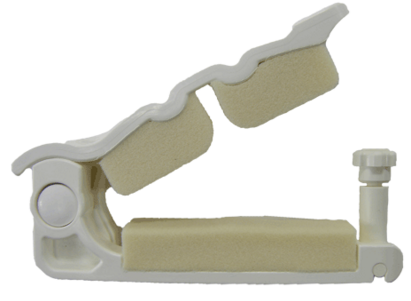
How do you clamp a foley catheter for bladder training. Select a small-size catheter 14 to 18Fr with a 5-mL balloon. We randomly allocated the participants into either a bladder training group in which clamping was considered prior to catheter removal or a free drainage removal group using a computer-generated list and subsequently assessed their need for re-catheterization due to urinary retention. In the clamping group indwelling urinary catheters were clamped intermittently for 48 hours before removal based on a bladdertraining sheet while in the control group the indwelling urinary catheters were removed without clamping.
The catheters were clamped for 4 hours and then unclamped for 15 minutes. Urinary catheterization is a common technique in clinical practice. Correspondingly should you clamp a Foley catheter.
The primary outcome of the study was the rate of recatheterisation. In the bladder training group we followed the protocol described by Williamson by clamping the catheter for three hours and then unclamping for five minutes to allow emptying of the bladder Williamson 1982. Repeat this several times before removing the foley to allow the sphincter to regain control.
When patient is able to clamping causes the bladder to feel the urge to urinate before removing the catheter decreasing incidence of urinary retention and therefore decreasing the need for catheter reinsertion the catheters were clamped for 4 hours and then unclamped for 15. Put the syringe into the balloon port on the catheter. You can often fold the tube and stick it into the loop on the clip.
RD bladder drained completely by placing the foley bag to gravity. This short video has been produced to demonstrate to nursing and medical staff how to perform a simple urological procedure using aseptic technique. Rn 4 hours open foley to straight drainage and resume schedule in 7.
Kegel exercises strengthen the muscles you use to start and stop the flow of urine. Rn 4 hours open foley to straight drainage and resume schedule in 7. Clamp foley and release q4h for 20 minutes to allow bladder to drain.
Adder function with indwelling urinary catheter has been provided clinically. Wait as the water from the balloon empties into the syringe. Secondly how do you release a catheter.
To develop muscle control. After catheter placement patients monitored for at least 30 min with regular checks of VS hematuria and symptoms. However the effectiveness of bladder training is still a controversy.
During that time some urine will accumulate in the bladder. Unclamp catheter for 30 minutes and encourage patient to push down with abdominal muscles to completely empty bladder. Unclamp catheter for five minutes and measure output 4.
We inserted a Foley catheter to all patients prior to surgery and we removed the catheter on postoperative day 2. Clamping schedule from postsurgery day 2 Q4h clamp until bladder scanner showed normal bladder function residual amount 150 mL then remove catheter. To do this adjust the lock to the closed position.
A break in technique can introduce pathogens into the urinary tract. Empty the bag of urine if needed. Physician order for Bladder Training To be performed by.
Leave it closed for about 2-3 hours. GD After every 200mL of urine drained catheter clamped for 5 min until bladder was completely empty. This systematic review examined the necessity of clamping before removal of an indwelling urinary catheter in short-term patients.
How do you clamp a foley catheter for bladder training This systematic review examined the necessity of clamping before removal of an indwelling urinary catheter in short-term patients.
How do you clamp a foley catheter for bladder training. GD After every 200mL of urine drained catheter clamped for 5 min until bladder was completely empty. Leave it closed for about 2-3 hours. Physician order for Bladder Training To be performed by. Empty the bag of urine if needed. A break in technique can introduce pathogens into the urinary tract. To do this adjust the lock to the closed position. Clamping schedule from postsurgery day 2 Q4h clamp until bladder scanner showed normal bladder function residual amount 150 mL then remove catheter. We inserted a Foley catheter to all patients prior to surgery and we removed the catheter on postoperative day 2. Unclamp catheter for five minutes and measure output 4. Unclamp catheter for 30 minutes and encourage patient to push down with abdominal muscles to completely empty bladder. During that time some urine will accumulate in the bladder.
However the effectiveness of bladder training is still a controversy. After catheter placement patients monitored for at least 30 min with regular checks of VS hematuria and symptoms. How do you clamp a foley catheter for bladder training To develop muscle control. Secondly how do you release a catheter. Wait as the water from the balloon empties into the syringe. Adder function with indwelling urinary catheter has been provided clinically. Clamp foley and release q4h for 20 minutes to allow bladder to drain. Rn 4 hours open foley to straight drainage and resume schedule in 7. Kegel exercises strengthen the muscles you use to start and stop the flow of urine. Rn 4 hours open foley to straight drainage and resume schedule in 7. This short video has been produced to demonstrate to nursing and medical staff how to perform a simple urological procedure using aseptic technique.
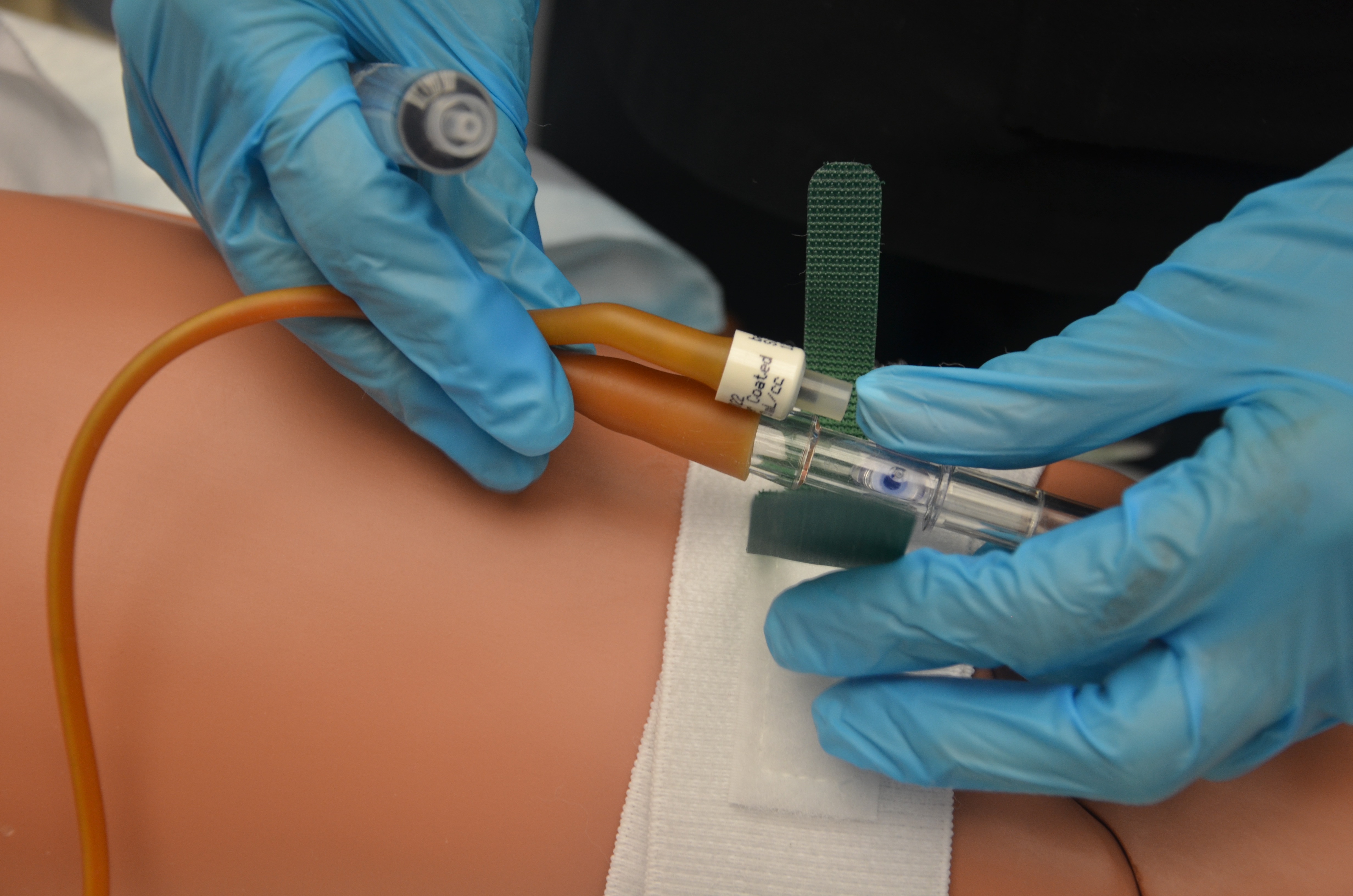
RD bladder drained completely by placing the foley bag to gravity. You can often fold the tube and stick it into the loop on the clip. Put the syringe into the balloon port on the catheter. When patient is able to clamping causes the bladder to feel the urge to urinate before removing the catheter decreasing incidence of urinary retention and therefore decreasing the need for catheter reinsertion the catheters were clamped for 4 hours and then unclamped for 15. Repeat this several times before removing the foley to allow the sphincter to regain control. In the bladder training group we followed the protocol described by Williamson by clamping the catheter for three hours and then unclamping for five minutes to allow emptying of the bladder Williamson 1982. The primary outcome of the study was the rate of recatheterisation. Correspondingly should you clamp a Foley catheter. Urinary catheterization is a common technique in clinical practice. The catheters were clamped for 4 hours and then unclamped for 15 minutes. In the clamping group indwelling urinary catheters were clamped intermittently for 48 hours before removal based on a bladdertraining sheet while in the control group the indwelling urinary catheters were removed without clamping. We randomly allocated the participants into either a bladder training group in which clamping was considered prior to catheter removal or a free drainage removal group using a computer-generated list and subsequently assessed their need for re-catheterization due to urinary retention. How do you clamp a foley catheter for bladder training.